
Apple's iPhone Duo: Weighing the Pros and Cons of Apple's First Foldable Phone
Apple has officially entered the foldable market with the iPhone Duo, a book-style folding device featuring a 5.4-inch outer cover screen and a 7.6-inch inner Super Retina XDR OLED display. Combining titanium craftsmanship with desktop-class performance, the iPhone Duo aims to blend the portability of an iPhone with the screen real estate of an iPad Mini.
Here is a breakdown of the key advantages and drawbacks to consider before upgrading.
The Pros
Ultra-Thin & Durable Design
At just 5.2mm thick when unfolded, the iPhone Duo is Apple's thinnest iPhone to date. It features a Grade 5 titanium frame, Ceramic Shield protection, and an IP68 rating for water resistance up to 6 meters.
Vibrant Dual Displays with Reduced Crease
The 7.6-inch inner display offers up to 3,000 nits of peak outdoor brightness and utilizes a nano-texture finish to significantly minimize screen glare and crease visibility.
Top-Tier Performance
Powered by the 2nm A20 Pro chip, a 7-core GPU, and 12GB of RAM, the device provides up to 40% faster graphics performance and efficient thermal management via a new vapor chamber cooling system.
Enhanced Productivity & Stylus Support
Designed around iOS 27, the inner screen supports split-screen windowing and saved app pairs. Additionally, both inner and outer screens feature full Apple Pencil support for note-taking and creative tasks.
Long Battery Life & Fast Charging
Despite its slim profile, the dual-battery setup delivers up to 31 hours of video playback on the main screen and 44 hours on the outer display. It also supports 50% fast charging in 20 minutes over USB-C.
The Cons
Premium Price Point
Starting at $1,999 for 256GB of storage and reaching up to $3,199 for the 2TB model, it represents a substantial financial investment compared to standard flagship phones.
Noticeably Heavy
Weighing 254 grams, it is heavier than both the iPhone 18 Pro Max and competing foldables, which may cause hand fatigue during extended one-handed use.
Lacks Face ID
To achieve its thin profile, Apple omitted Face ID in favor of a side-button Touch ID sensor, which may feel like a step backward for long-time Face ID users.
Camera Compromises
The iPhone Duo opts for a dual-camera setup instead of the triple-lens array found on Pro models, omitting a dedicated telephoto zoom lens.
Audio & MagSafe Limitations
The ultra-thin chassis constrains speaker volume and bass response while limiting full compatibility with certain magnetic MagSafe accessories.
Summary
The iPhone Duo represents a major leap in mobile hardware, offering unmatched versatility for power users who want a phone and tablet in one package. However, the high starting price, absence of Face ID, and telephoto camera omissions mean buyers will need to weigh innovation against trade-offs.
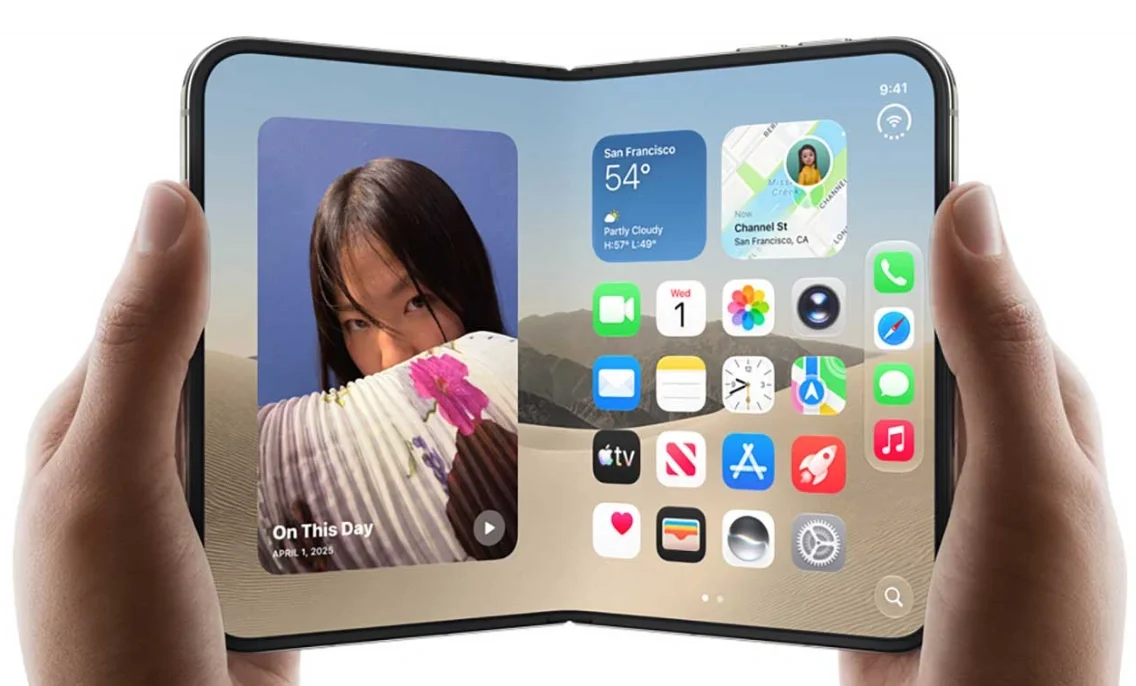
Image Credit: Shelly Palmer, shellypalmer.com
Shelly Palmer's Take on the iPhone Lineup
Tech advisor and analyst Shelly Palmer, CEO of The Palmer Group and author of Think About This, offered a blunt critique following Apple's announcement.
The Broken Upgrade Cycle
In his review titled Not The Apple of My Eye, Palmer noted that for the first time in 19 years of flagship releases, he felt zero impulse to replace his device. He described current year-over-year gains as "marginally incremental," concluding that moving up to the newest Pro Max tier offers very little discernible real-world benefit over preceding flagships.
The Folding Form Factor: A $1,999+ Compromise
Addressing Apple's foldable entry, the iPhone Duo, Palmer called half-phone, half-tablet devices "a solution in search of a problem."
While acknowledging Apple's hinge and nano-texture engineering to mitigate the screen crease, he pointed out the steep trade-offs: giving up dedicated long-range telephoto optics, variable physical aperture control, ProRAW/ProRes workflows, LiDAR, and Face ID, all while paying a substantial price premium.
AI Capabilities vs. Hardware Upgrades
Palmer highlighted that the biggest software shifts, including iOS Apple Intelligence and the rebuilt Siri, largely trickle down to prior generations rather than requiring new hardware, removing another major incentive to upgrade.
Credit: Shelly Palmer, shellypalmer.com