
WWDC 2026: Apple’s Massive Letdown and the Specter of Outsourcing
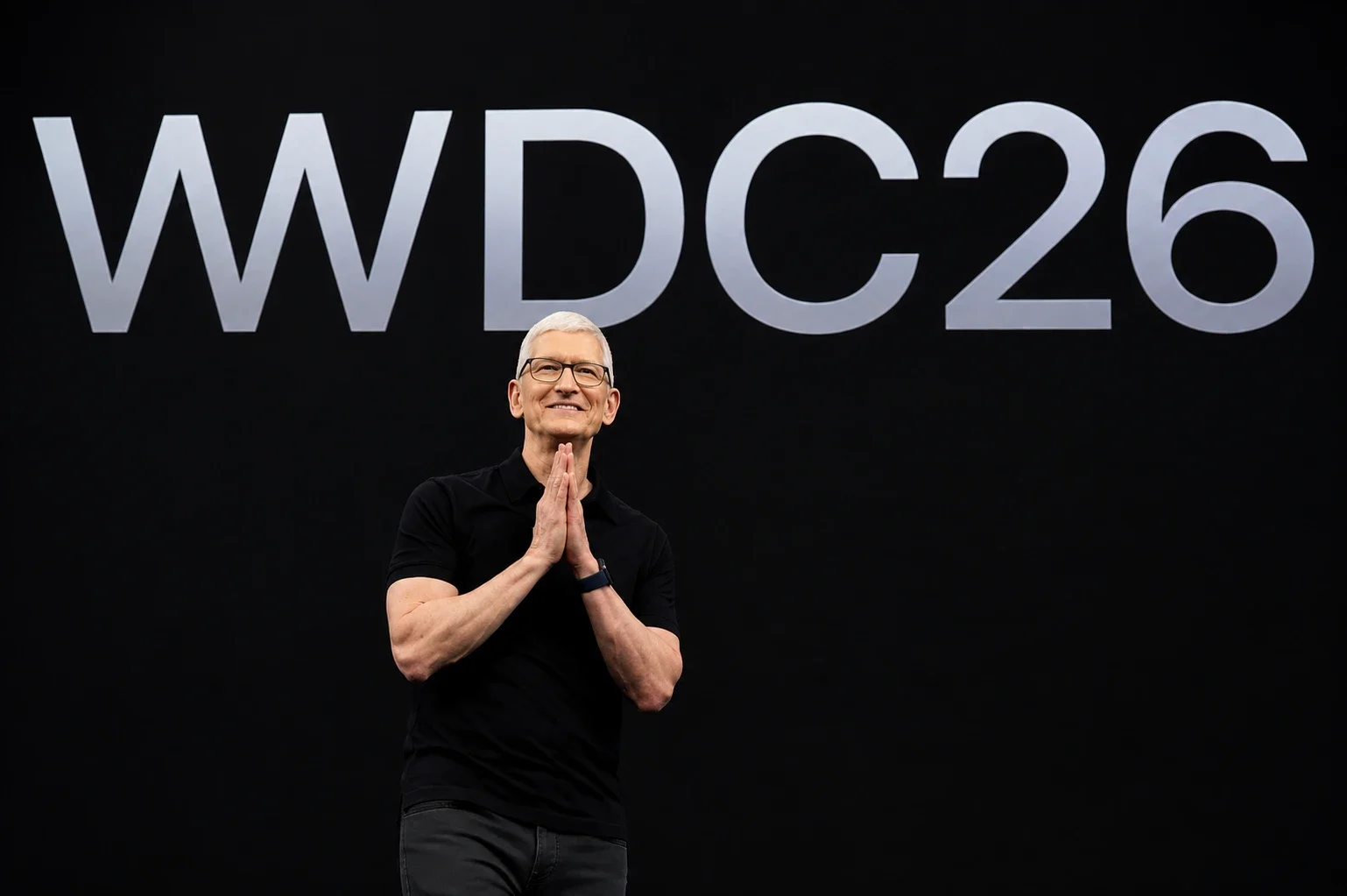
If WWDC 2026 was supposed to be Apple’s grand arrival into the generative AI era, it felt less like a launch and more like a surrender. The prevailing sense after the keynote was profound disappointment, not just over the lack of new hardware (where was the M5 Mac mini or Mac Studio refresh?), but over a software presentation that was both one-note and structurally confusing. The company that once prided itself on doing everything in-house spent the afternoon proving that its AI future is heavily reliant on others, turning the showcase into a "Google keynote lookalike."
Siri: The Borrowed Brain
The centerpiece, Siri AI, was an upgrade that many critics felt was two years overdue. While promises of conversational flow, on-screen context, and deep integration with personal data are compelling, the reality is that the "new Siri" is only possible because Apple finally outsourced its cognitive heavy lifting. The new Apple Intelligence architecture is built in collaboration with Google, leveraging the Gemini family of models. Apple has essentially outsourced Siri's brain to Google.
This collaboration poses an awkward challenge to Apple's long-standing privacy narrative. While Apple assures users that data is stripped of personally identifiable information and only used to execute requests, the admission that some "heavier" requests route through Private Cloud Compute (which runs on Google's own servers) is a significant concession that casts a shadow over the "private" computing model.
Moreover, the most powerful features are heavily gated:
The Waitlist: Many headline capabilities are stuck behind a waitlist at launch.
Hardware Limitations: The most advanced AI features are exclusive to the newest premium devices, specifically the iPhone 15 Pro, iPhone 16 models or later, and M-series Macs and iPads with at least 12GB of unified memory.
For the vast majority of existing users, this much-hyped AI revolution remains out of reach, forcing a cynical hardware upgrade cycle.
The Illusion of Refinement
Beyond Siri, the other major software enhancements felt either iterative or overly time-consuming. The promised stability and speed improvements (with iOS 27 and macOS Golden Gate bringing faster app launches and better performance) offer a welcome, "Snow Leopard-like" quality. However, the keynote dedicated an inordinate amount of time to Liquid Glass improvements. After the 2025 keynote spent so much time on visual design, getting a full three-minute breakdown on transparency sliders and standardized corner radii in 2026 felt like unnecessary filler.
Even improvements to AI-powered features like Image Playground feel like a belated attempt to catch up. Black-and-white tools like creating photorealistic images, editing them with plain language, and using advanced features like "Clean Up" and "Extend" in Photos are good, but they arrive after Apple’s original tool was criticized as "concerningly bad." Furthermore, the continued use of Google’s SynthID watermark on AI-generated images highlights Apple’s reliance on external technology to achieve parity.
A Rare Bright Spot
The one genuine win for the company was the update to parental controls. Allowing parents one-touch approval for apps, websites, and contacts, alongside features to blur and block explicit content, is a legally necessary and socially beneficial step. It is a feature that greatly benefits user safety, even if it offers no flashy AI headlines.
Conclusion
In the end, WWDC 2026 was a keynote focused on proving the company had finally "caught up" in the AI race, a narrative far less compelling than the promise of true innovation. The combination of an outsourced core AI, selective feature availability, and a production that reportedly struggled with basic cinematography leaves users feeling underwhelmed, wondering if the next chapter of Apple's intelligence will ever truly be its own.